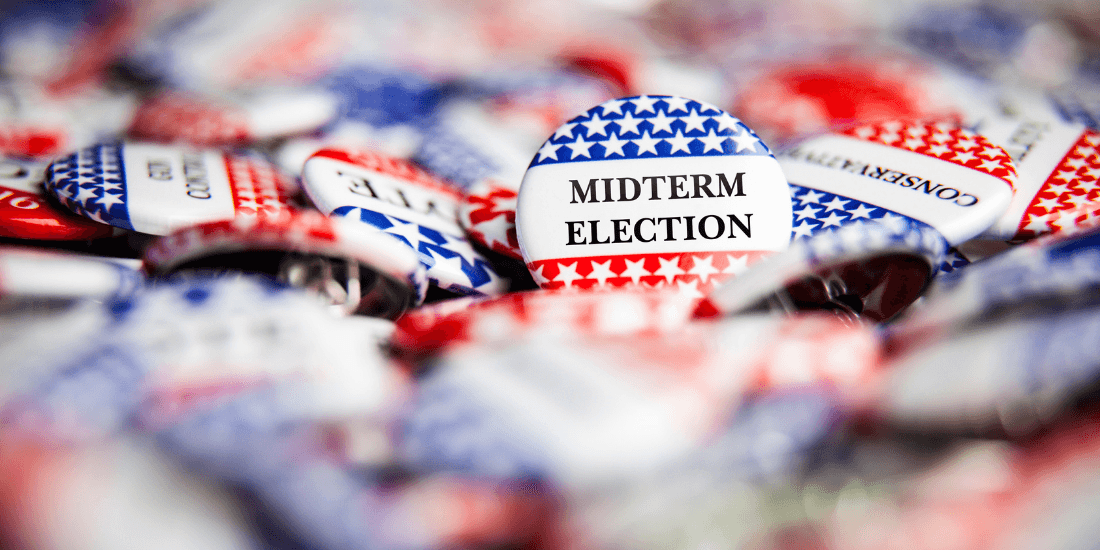


On October 27, 2026, Israel held its first general election since the attacks of October 7, 2023, against the backdrop of the conflicts in Gaza, Lebanon, and Iran. The election results indicate that Prime Minister Benjamin Netanyahu has largely maintained his political standing but failed to regain the parliamentary majority he secured in 2022. Meanwhile, the parties opposing Netanyahu also lack the majority they need to form a government without the support of Arab parties.
The election reshaped Israel’s political blocs without producing a clear change of government. As was the case during the electoral deadlock of 2019–2021, the formation of a government will depend not only on the balance between the right and the left, but also on Netanyahu’s personal political standing, the demands of ultra-Orthodox parties, and whether Arab parties will be included in the coalition-building process.
Election Results and Coalition Scenarios
According to the official results, Likud emerged as the largest party, securing 27 seats with 20.51% of the vote. Yashar, led by Gadi Eisenkot, won 21 seats with 16.05%, while the B’Yachad alliance of Naftali Bennett and Yair Lapid secured 12 seats with 9.35%. Among the Arab parties, the Joint List won 11 seats with 8.80% of the vote, while Ra’am secured 8 seats with 5.93%. The Democrats won 8 seats. Yisrael Beiteinu, United Torah Judaism (UTJ), and Otzma Yehudit secured 7 seats each, and Shas and the Religious Zionism–Zehut alliance won 6 seats each (Knesset, 2026).
You may read note from here.