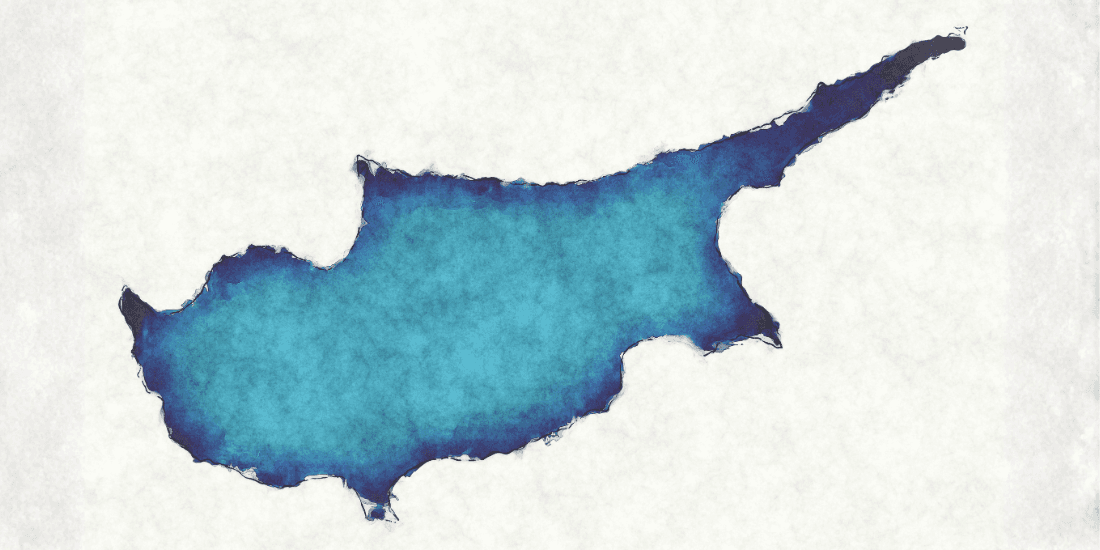
UN Secretary-General António Guterres’s visit to Cyprus in July 2026, the first by a serving UN Secretary-General since 2010, brought the Cyprus settlement process back into focus. Guterres confirmed that further efforts would proceed through a 5+1 format involving the two Cypriot leaders and the three guarantor powers, while stressing the need for further diplomatic preparation and confidence-building measures before another meeting is convened.
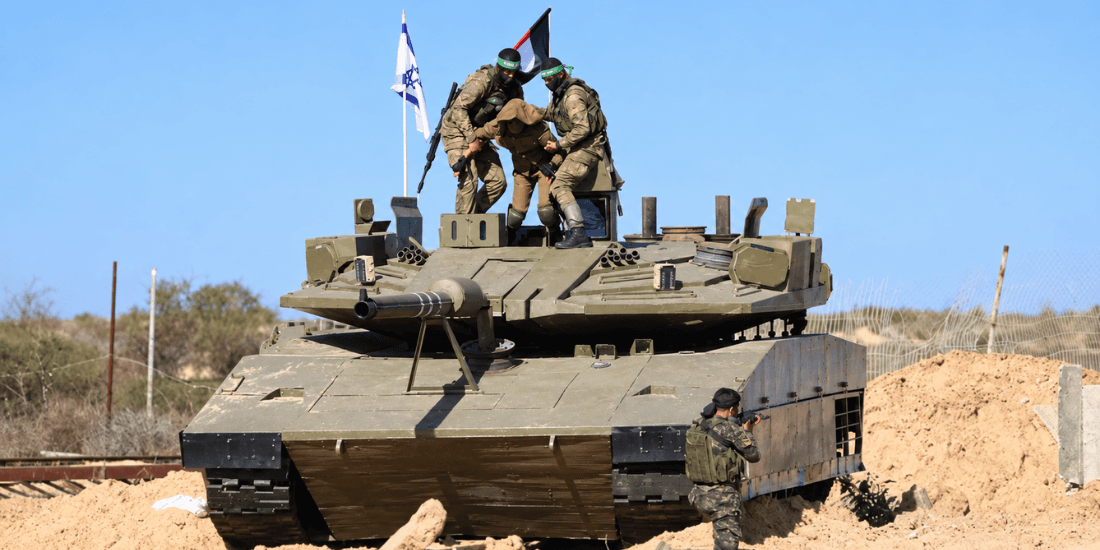
At the same time, the changing regional security environment has increased Cyprus’s strategic importance. As conflicts have expanded from Gaza to Iran and security cooperation around the Eastern Mediterranean has deepened, Cyprus has become increasingly integrated into the region’s operational and security landscape. The paper argues that the continued absence of a settlement complicates this picture by leaving the island without a common mechanism for assessing external threats, while also raising concerns for Turkey’s security interests and the position of the Turkish Cypriots.
Against this background, a renewed settlement process could help address not only the long-standing division of the island but also Cyprus’s place in the emerging regional security architecture.
You may read the paper from here.