
N. Murat Ersavcı
Director of International Studies CenterDiğer Blog Yazıları

800 milyar TL’lik büyük tasfiye...
Burcu Aydın, Dr.
19/09/2026
Fed faiz artırım süreci...
Fatih Özatay, Dr.
18/09/2026

Merkez Bankası’nın önündeki güçlükler...
Fatih Özatay, Dr.
16/09/2026

Merkez Bankası faizi indirmedi ama indirim için ye...
Burcu Aydın, Dr.
12/09/2026

Yeni OVP’nin iklim hedefleri nasıl birbirine bağla...
A. Senem Dartar
11/09/2026
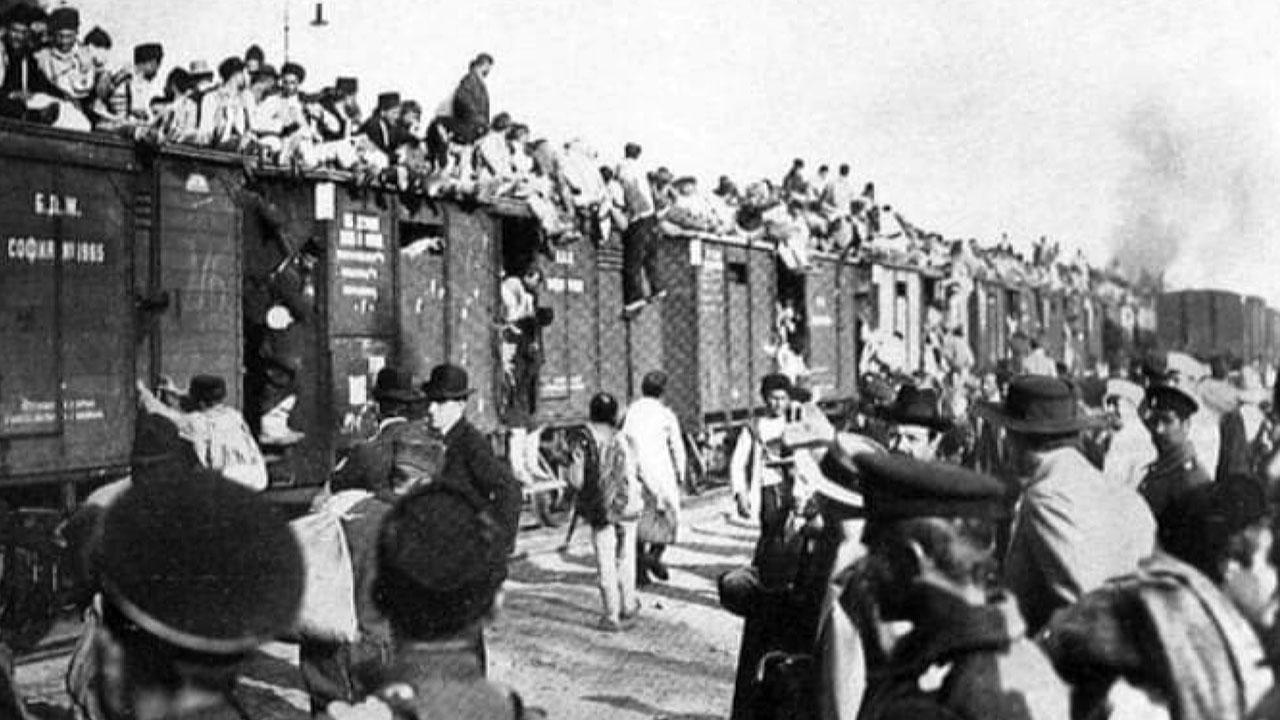
Eighty-two years after the deportation of the Crimean Tatar Turks, Crimea remains a symbol of one of the most enduring injustices of the modern era. What began in 1944 as a mass deportation under Stalinist rule has, over decades, evolved into a broader story of displacement, dispossession, resistance, and the continuing struggle for identity and dignity. The experience of the Crimean Tatars is not merely a chapter of regional history; it is a universal human story that speaks to the consequences of oppression and the resilience of communities determined to preserve their existence against overwhelming odds.
The forced deportation of the Crimean Tatars ordered by the Soviet leader Stalin in May 1944 was one of the gravest collective punishments of the twentieth century. Entire families were loaded onto cattle trains and exiled from their ancestral homeland under accusations of collective disloyalty. Thousands perished during the journey or in the harsh conditions of exile in Central Asia. Those who survived faced decades of discrimination, statelessness, and systematic efforts to erase their cultural and historical presence from Crimea.
Yet despite these attempts, the Crimean Tatars preserved their identity, language, traditions, and historical memory. Across generations, the dream of returning home remained alive. Their struggle became not only a fight for territory, but also for recognition, justice, and the fundamental right of a people to exist freely in their homeland.
The collapse of the Soviet Union created a historic opportunity for many Crimean Tatars to return to Crimea after decades in exile. However, return did not automatically bring security or equality. Many families encountered legal uncertainty, economic hardship, and unresolved questions regarding citizenship and political representation. The process of rebuilding communal life after decades of displacement required immense determination and patience.
In this long and difficult journey, emerged as one of the most respected and influential voices of the Crimean Tatar people. Through decades of peaceful resistance, imprisonment, hunger strikes, and advocacy, Kırımoğlu became an international symbol of moral courage and the defense of human dignity. His leadership helped transform the Crimean Tatar cause into a recognized struggle for human rights and democratic principles.
His efforts were internationally acknowledged through the UNHCR Nansen Refugee Award, recognizing his contribution to securing Ukrainian citizenship and legal protections for thousands of formerly stateless Crimean Tatars. At a time when many displaced families remained vulnerable and marginalized, his work helped restore not only legal status, but also a sense of belonging and recognition for a people long denied both.
The occupation of Crimea by Russia in recent years has once again brought the plight of the Crimean Tatars into sharp international focus. Concerns regarding political freedoms, cultural rights, freedom of expression, and pressure on Crimean Tatar institutions demonstrate that the community continues to face profound challenges. For many Crimean Tatars, history has become a painful cycle in which past traumas echo in contemporary realities.
This is precisely why preserving historical memory matters. The story of Crimea reminds the world that forced displacement does not end when the trains stop or when borders change. Its consequences endure across generations, shaping identities, communities, and political realities long afterward. Forgetting such experiences risks normalizing injustice and weakening the principles that protect vulnerable peoples everywhere.
For Türkiye, Crimea carries a special historical and humanitarian significance. The centuries-old cultural ties between the Turkish and Crimean Tatar Turks have fostered a deep sense of solidarity rooted not only in shared history, but also in a shared understanding of the importance of cultural survival, sovereignty, and human dignity. This connection explains why the fate of Crimea continues to resonate strongly within Turkish public consciousness.
The eighty-second anniversary of the deportation was also commemorated in various cities across Türkiye and abroad through memorial events, conferences and public gatherings organized by Crimean Tatar Turkish associations and civil society organizations, reflecting the enduring collective memory and solidarity surrounding the Crimean cause.
Commemorating the eighty-second anniversary of the deportation is therefore not only about mourning the past. It is also about reaffirming universal principles: the protection of human rights, the rejection of forced displacement, the defense of sovereignty and territorial integrity, and the importance of peaceful resistance in the face of oppression. The resilience of the Crimean Tatar people demonstrates that identity cannot easily be erased, even under the harshest conditions.
The story of Crimea remains unfinished. But amid decades of suffering and uncertainty, the endurance of the Crimean Tatar Turks continues to offer a powerful lesson to the world: that dignity, memory, and the pursuit of justice can survive even the darkest chapters of history.