The loss of territorial control by the Islamic State of Iraq and Syria (ISIS), increasing recruitment constraints, the incorporation of jihadi movements into regional struggles for dominance—as seen in the cases of the Taliban, Hay’at Tahrir al-Sham (HTS), and various African contexts—and Israel’s brutality in Gaza have collectively reshaped contemporary radicalism.
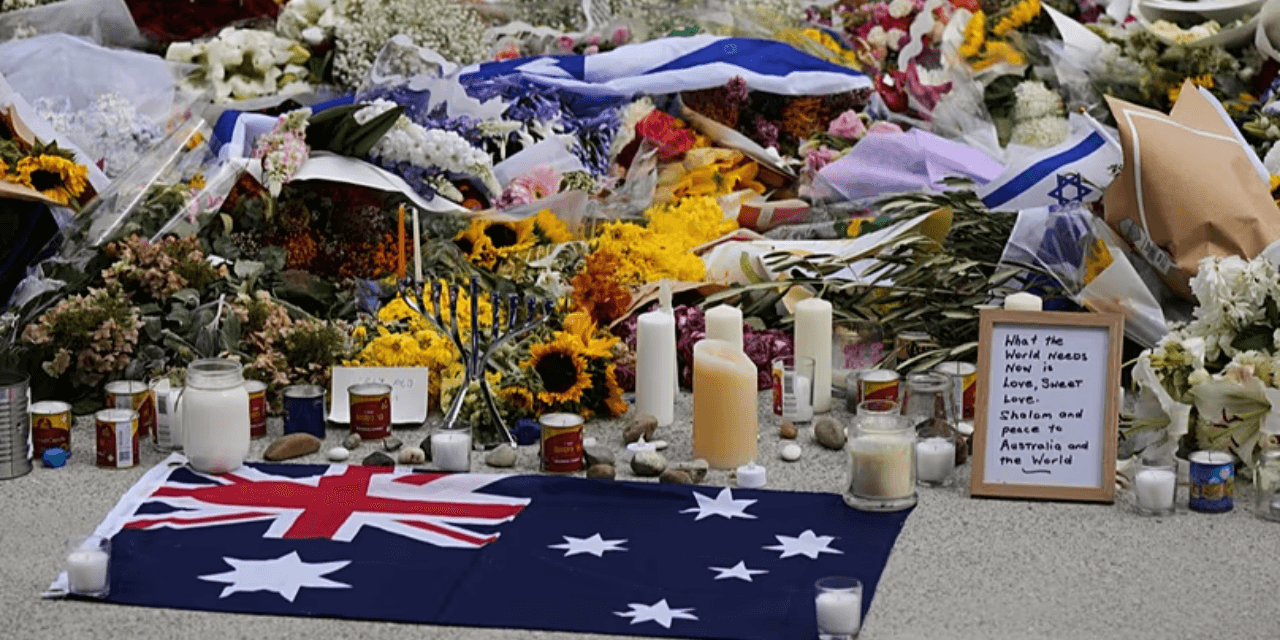
Recent attacks, including the one in Australia, demonstrate that such violence is no longer necessarily carried out by organized ISIS cells but increasingly takes the form of individual radicalization. Similarly, many attacks in both Western contexts and in Turkey, including the most recent incident in Izmir, have not been directly organized by ISIS. The organized and hierarchical operations once characteristic of the group have given way to more individualized acts. ISIS no longer possesses strong and expansive operational networks. This development is ambivalent: while it limits the group’s recruitment capacity and resources, it also produces forms of violence that are more unpredictable and difficult to track.
Decentralized Jihad
Forced to abandon its objective of establishing a territory-based caliphate, the organization has gradually shifted toward a less hierarchical structure and a more decentralized operational model in order to increase its chances of survival and the resilience of its regional structures. This shift has not been observed only in ISIS. Following the death of Ayman al-Zawahiri, al-Qaeda has likewise moved toward a looser structure while refraining from announcing new leadership.
You may read evaluation note from here.