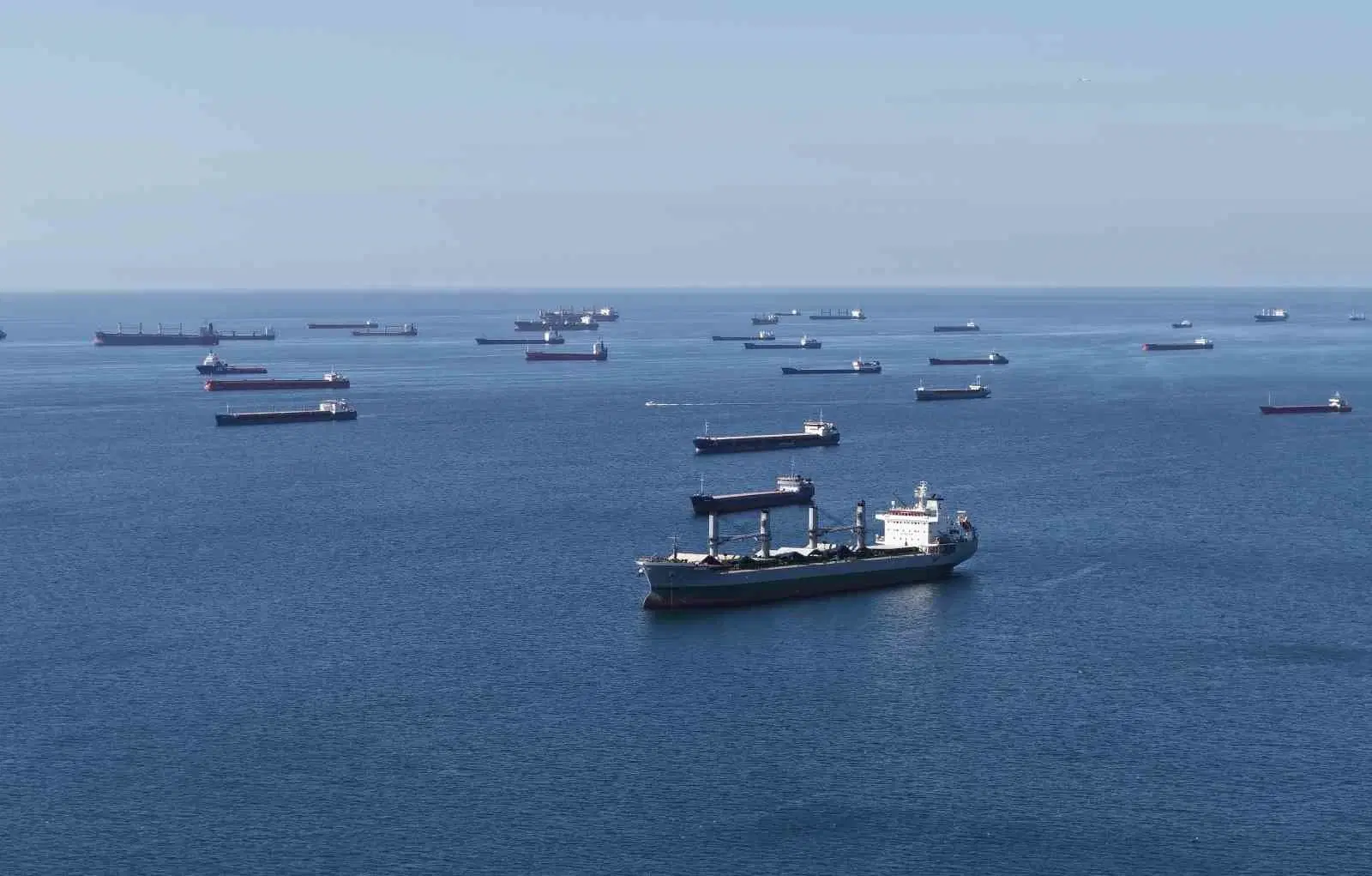


Industrial production remains a central pillar of the global economy. As global value chains deepen, industrialization continues to drive output, trade, and productivity, forming the core of growth strategies in many developing nations. As of 2024, industry value added accounts for 26% of global GDP; the corresponding shares are 27% in low-income economies, 32% in lower-middle-income economies, 34% in upper--middle-income economies, and 22% in high-income economies. Industry also represents a substantial share of employment. According to International Labour Organization (ILO), the share of industry in total employment in 2023 stands at 11% in low-income economies, 23% in lower-middle- and high-income economies, 28% in upper-middle-income economies, and 27.6% in Türkiye. These figures underscore that in upper-middle-income economies, industry occupies a more central role in both value creation and employment than in other income groups.
Given its central position in economic structures, rising energy demand, and associated carbon emissions, industry has become a primary focus of global climate policy. According to the IPCC’s 2019 assessment, 34% of global greenhouse gas (GHG) emissions originate from energy, 24% from industry, and 22% from agriculture. When total emissions are examined by country groups, patterns broadly mirror differences in industrial intensity. Low-income economies account for 1.75% of global emissions (898 million tons CO₂e), lower-middle-income economies 15.5% (7,928 million tons CO₂e), high-income economies 34.2% (17,509 million tons CO₂e), and upper-middle-income economies 48.4% (24,735 million tons CO₂e).
You may read evaluation note from here.